Custom Solutions

First Responders — Rapid Reset for Performance Under Pressure

Performance Reality

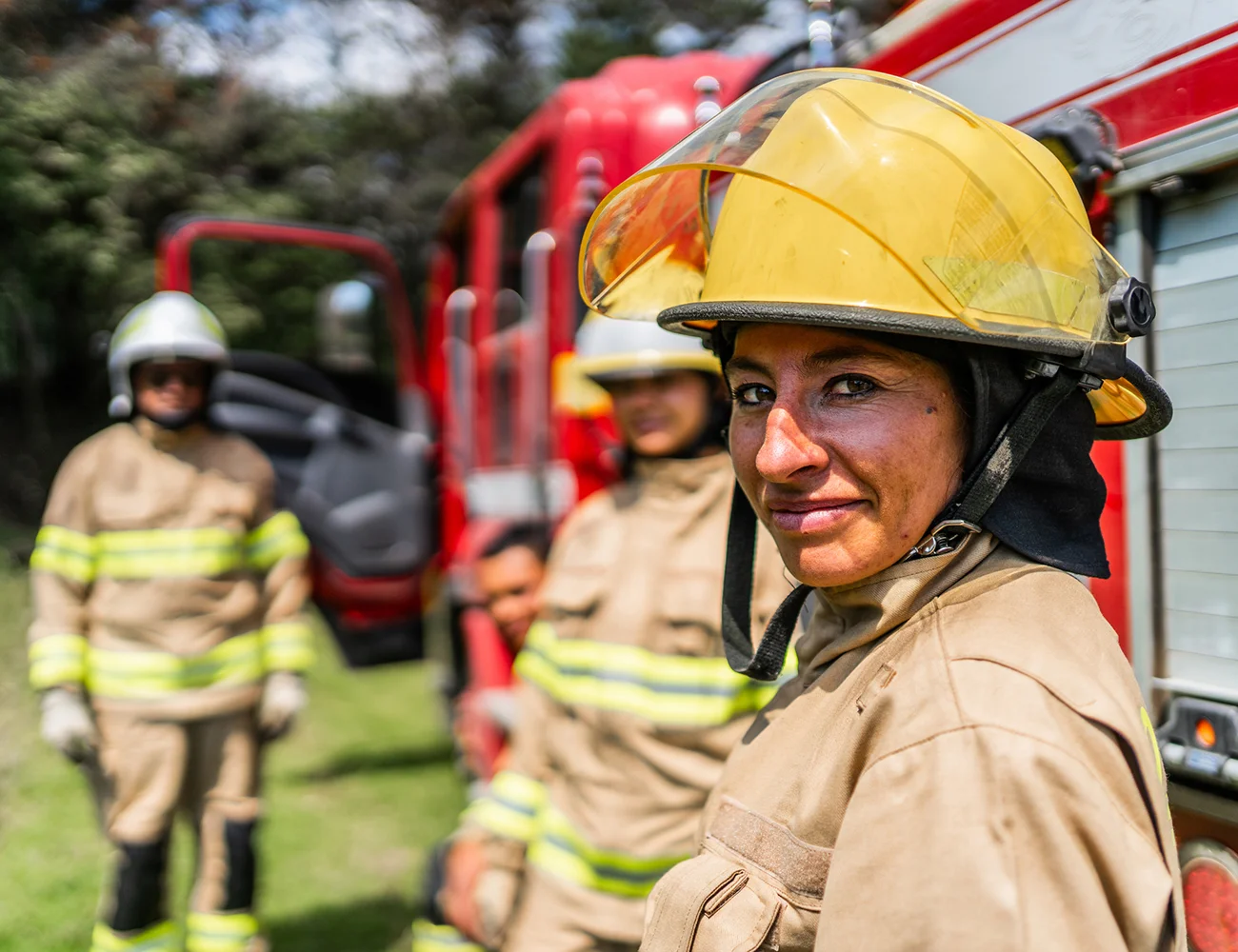
Police, fire, and EMS personnel live in cycles of calm punctuated by crisis. The body surges with adrenaline, then is expected to return to baseline within minutes — often without structured recovery. Over time, that cumulative activation erodes focus, sleep, and emotional stability, even in the most seasoned professionals.

Nervous-System Insight

Acute stress activates the sympathetic system; without adequate parasympathetic rebound, HRV plummets and recovery stalls. Repeated spikes without resets keep cortisol and heart rate elevated, driving chronic fatigue and emotional blunting. Training the vagal brake — the body’s built-in recovery switch — restores control between calls.

Putting the Science to Work

Custom responder programs emphasize brevity and portability:

  • 5–15-Minute Reset Protocols: guided breathwork and HRV biofeedback between calls.
  • Vibration Therapy or Sound Chairs: tactile stimulation that down-regulates arousal and improves sleep rhythm on shift.
  • Contrast Therapy & Photobiomodulation: rapid physiological reset after high-intensity events.
  • Team Brief Trainings: normalize regulation practices as tactical readiness, not “wellness extras.”

Outcomes That Matter

  • Quicker composure and decision precision after high-stress incidents.
  • Improved sleep cycles and reaction times on shift.
  • Lower chronic stress biomarkers and burnout rates.
  • Stronger emotional regulation and unit cohesion.

A nervous system that can downshift fast is a safety mechanism — for the responder, the team, and the public they serve.

Invitation to Connect

Readiness saves seconds, and seconds save lives.

Let’s build rapid-reset systems that keep your teams focused, steady, and recovered — call after call, shift after shift.