
THE HUB FOR HEALTH SEEKERS
You don’t have to navigate brain health alone. Feel confident, supported and connected with people who truly get it
Find Community:
The Brainnovation HUB
Brainnovation Network is proud to offer THE HUB, a community that supports health seekers with a variety of brain health tips, tools, and resources (many of them free). In the hub you’ll find guidebooks, classes, and expert advice while meeting others who share your curiosity and enthusiasm. The cost is only 9.97 per month, or $99 for an entire year.

The Community
Your Tribe: Connect With Others Who Get It
You don’t have to navigate this alone. Step into our purpose-built discussion spaces to share stories, ask questions, and find strength among a supportive community of peers and providers that truly understand your reality.
The Resources
An Expert-Vetted Roadmap
Stop sifting through endless, conflicting internet advice. Gain instant access to a trusted library of masterclasses, live events, self-guides and practical tools all curated by experts to give you clarity and confidence on your journey.
The Academy
Accelerate Your Knowledge and Understand with Exclusive Courses
Go beyond the basics with the Brainnovation Network Academy. Dive into structured, engaging learning experiences designed to turn complex brain health concepts into actionable steps for your daily life.
Invest in Your Brain Health for Less Than the Cost of a Smoothie
Expert coaching, a supportive community, and a complete, always growing resource library usually costs thousands in service fees. The Brainnovation Hub provides it all for less than $10 a day because we believe support and community should be accessible to everyone.
The Flexible Monthly Plan
$9.97/month
Cancel anytime. No commitment.
What’s included:
- Full access to the live Resource Library
- Community Discussion Spaces
- Live Masterclasses, Webinars and Events
- A curated marketplace of self-help, expertly-vetted tools
The Committed Saver
$99/year
That’s only $8.25/month!
Save 20% instantly when you commit to your year of health.
What’s included:
- Full access to the live Resource Library
- Community Discussion Spaces
- Live Masterclasses, Webinars and Events
- A curated marketplace of self-help, expertly-vetted tools
Join the Community That is Changing Lives
Questions?
Hidden Open Toggle
Your content goes here. Edit or remove this text inline or in the module Content settings. You can also style every aspect of this content in the module Design settings and even apply custom CSS to this text in the module Advanced settings.
What if I need to cancel?
We want you here because you love the value, not because you’re locked in. If the Hub isn’t the right fit, you can cancel your monthly subscription at any time directly from your dashboard, no questions asked.
How often is new content added?
Your brain health journey is always evolving, and so are we. We release new resources, host live events, and update the Masterclass library every single month, ensuring you always have fresh, cutting-edge support. There are also daily and weekly engagements.
Download this free guide:
Caring for the Caregiver – Your Guide to Preventing Burnout.
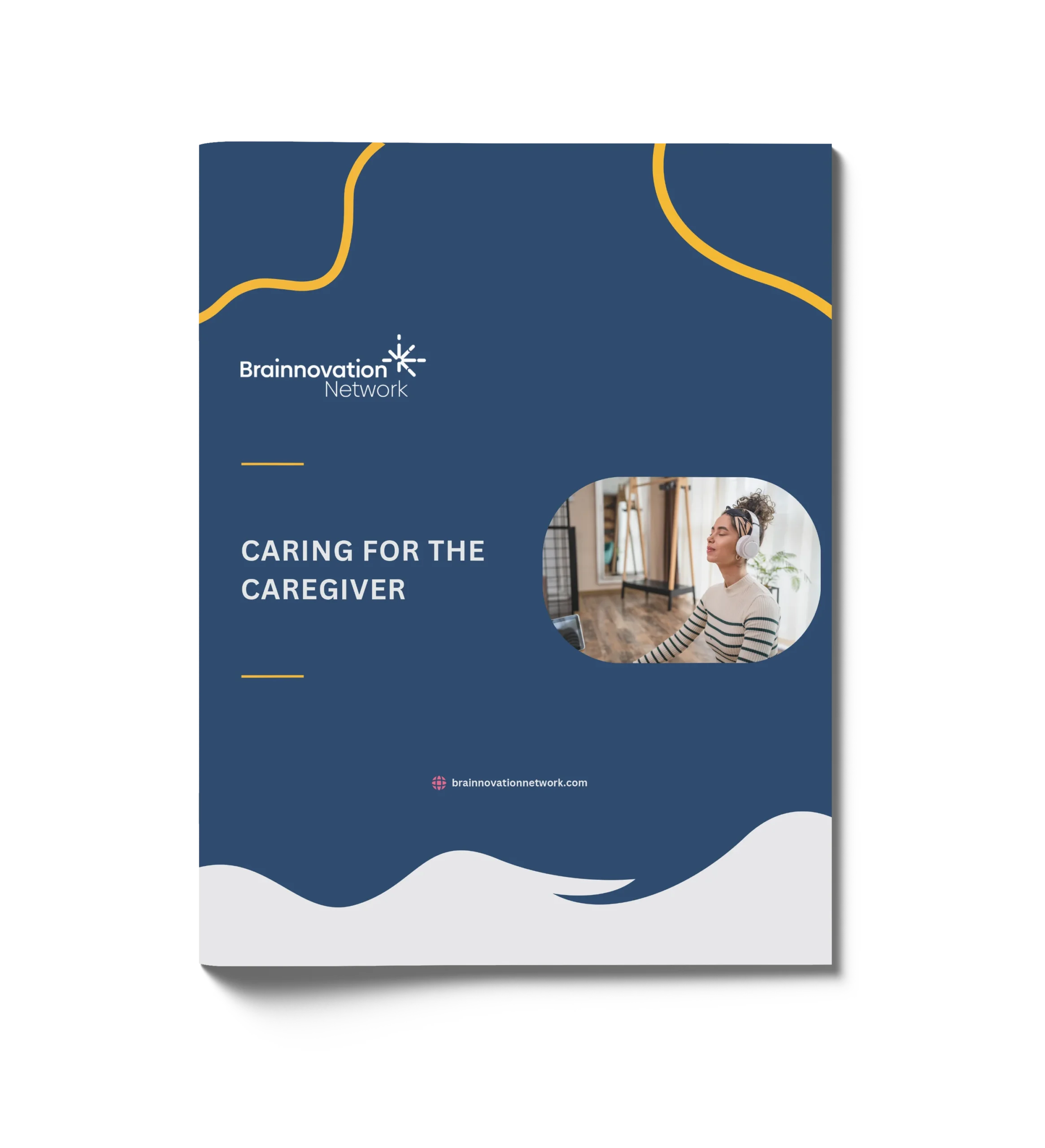
Caring for yourself is not selfish. It is not a luxury. It is the single most practical strategic and non-negotiable part of providing good care. This guide is designed to give you both the permission and the practical tools to keep your own lights on.
Why Brain Health is Everything Health
Brain health is the foundation of how you move, think, rest, and recover.
Every muscle, organ, and thought depends on the clarity of your brain’s signals.
When those signals remain clear, coordinated, and regulated, the body responds, pain eases, focus sharpens, and energy returns.
When Symptoms Don’t Tell the Whole Story
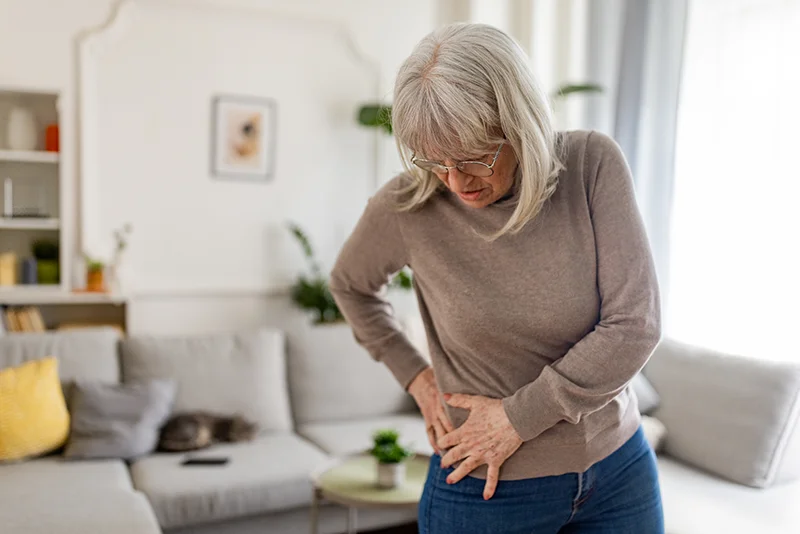
You probably started where most people do, with the symptom.
A hip aches, so you treat the hip. Your focus drifts, so you push harder. Anxiety spikes, so you learn to cope.
For a while, it helps. Then the same sore knee, tight shoulders, or heavy brain fog return — familiar, frustrating, and unexplained.
That pattern isn’t failure or weakness —
It’s protection.
It’s your nervous system doing its best to keep you safe with tools like tension, vigilance, and shutdown.
Your brain and nervous system run every circuit of your body; every heartbeat, every step, every thought.
When those rhythms lose sync, the body can’t coordinate recovery — no matter how much you stretch, strengthen, or rest.
The Hidden States That Shape Stress, Focus, and Recovery
The system itself runs on two primary settings:
Sympathetic — your drive state, the part that mobilizes energy, sharpens focus, and gets things done.
Parasympathetic — your recovery state, the part that slows you down, repairs, and restores.
Neither is “right” or “wrong.” True health isn’t about staying calm all the time — it’s about moving fluidly between action and rest, focus and release. But many of us get stuck.
When the system stays in overdrive, it feels like this: your shoulders never drop, thoughts don’t quiet, sleep doesn’t restore. You wake up tired, muscles tight, and mind buzzing. When it slips into shutdown, the opposite happens: everything feels heavier. Movement takes effort. You sleep long but never feel rested. Motivation fades even for things you care about.
Both are signs of the same thing — a nervous system that’s lost its flexibility. And when flexibility goes, so does recovery. That’s why treating only the body can feel like chasing symptoms instead of solving them.
When the brain and body relearn how to shift between states — from tension to release, effort to ease — the entire system recalibrates. That’s when pain begins to fade, energy returns, and clarity comes back.
Because healing isn’t about doing more, it’s about teaching your body how to switch gears again.
How Brain- and Nervous-System-Informed Care Works
You’re not starting over with a new approach — you’re expanding what already works.
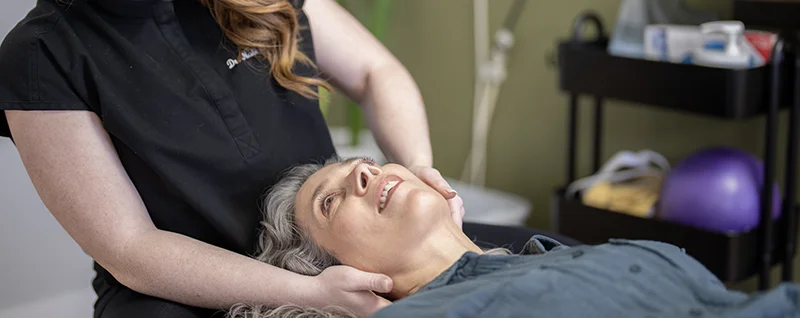
What stays the same
- You see the same kind of practitioner.
- You receive the same core treatment: movement, manual therapy, adjustments, or exercises.
- Your goals stay the same: less pain, more strength, better energy.
What gets added
- Your practitioner assesses how your brain and nervous system regulate recovery — not just where you feel pain.
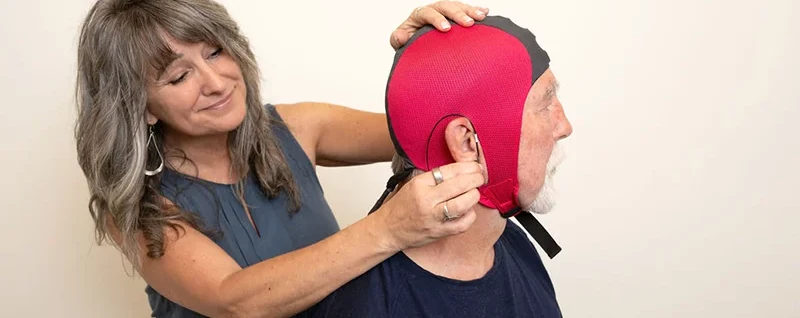
- Sessions may include gentle inputs — vibration therapy, neurofeedback, or guided breathwork — to calm or energize your system before hands-on care.
- These inputs support smoother muscle responses, steadier focus, and longer-lasting relief.
Body + Brain → Better Results
How Change Happens When Treatment Targets the Brain and Nervous System
When care includes the brain and nervous system, progress builds in four clear stages — each one reinforcing the next.
1. Recalibration
Protective reflexes ease and energy use steadies.
Cells begin producing energy more efficiently, muscles release, and breathing deepens.
The body recognizes safety — the foundation for lasting repair.
2. Integration
The nervous system learns through repetition.
Short, guided practices — like breathwork or light movement — prepare the body before treatment.
Each small input teaches the system new coordination patterns that hold over time.


3. Synchronization
As awareness grows, networks start working together.
Brain, balance, and movement systems align; transitions between focus and rest feel smoother.
Regulation becomes rhythm.
4. Adaptability
With repetition, these patterns become default.
Neural pathways strengthen, stress responses steady, and progress lasts.
Resilience becomes part of how the system operates — not something it has to chase.
Each phase builds capacity for the next.
When the brain and body learn together, results don’t just appear — they accumulate.
The Science Behind the Tools and Technologies
Every approach touches a different layer of the neurobiological stack — cellular, autonomic, sensory, or cognitive — yet all share one goal: helping the brain and body communicate more clearly.
Hidden Open Toggle
Your content goes here. Edit or remove this text inline or in the module Content settings. You can also style every aspect of this content in the module Design settings and even apply custom CSS to this text in the module Advanced settings.
Cold / Heat / Contrast Therapy
How It Works
Temperature shifts trigger vascular and nervous-system reflexes — cold heightens alertness, heat relaxes, and alternating both builds adaptive resilience.
Potential Effects
Boosts circulation, reduces soreness, and helps the body reset after physical or mental strain.
What it is
Cold and contrast therapy use temperature as a controlled signal to shift the autonomic nervous system between stress and recovery states.
That means it isn’t about toughness or trend — it’s about training your body to adapt and recover more efficiently.
Mechanism
- Cold exposure (ice baths, cold showers, or localized cryotherapy) and heat exposure (sauna, infrared, or warm immersion) each activate the sympathetic nervous system in distinct ways — both triggering a controlled release of norepinephrine, the neurotransmitter that improves alertness, reduces pain sensitivity, and increases metabolic rate.
- As the body rebalances — cooling after heat or warming after cold — the parasympathetic system rebounds, lowering heart rate and supporting deep relaxation.
- Contrast therapy — alternating hot and cold — drives vascular pumping: blood vessels constrict then dilate, enhancing circulation and removing metabolic waste.
- Over time, this trains the nervous system to handle stress without overreacting and accelerates recovery in muscles and tissues.
Clinical evidence
- Controlled cold exposure has been shown to reduce inflammation, improve mood, and enhance immune function.
- Contrast hydrotherapy demonstrates benefits for muscle soreness and autonomic balance post exercise.
- Research links short, consistent exposure to cold stimuli with improved heart rate variability (HRV) — a key marker of resilience and nervous-system flexibility.
In simple terms
When you use temperature strategically, you’re teaching your brain and body how to shift gears on command — from alert to calm, from inflamed to restored.
It’s like a workout for your nervous system’s recovery response.
Typical experience
- Short bursts of cold or contrast exposure guided by your practitioner.
- Monitored breathing and timing to support safe adaptation.
- Many describe a post-session feeling of clarity, reduced pain, and deep calm — a clear sign that their system has shifted back into balance.
References:
Pereira FG, McBryde M, Reynolds M, Sackett JR, Chapman CL, Gideon EA, Schlader ZJ, Johnson BD. Activation of cardiac parasympathetic and sympathetic activity occurs at different skin temperatures during face cooling. Am J Physiol Regul Integr Comp Physiol. 2024;326(5):R357–R369. doi:10.1152/ajpregu.00196.2023
Leonardi G, Portaro S, Milardi D, Bonanno F, Sanzarello I, Bruschetta D, Sconza C, Tisano A, Fontana JM, Alito A. Mechanisms and Efficacy of Contrast Therapy for Musculoskeletal Painful Disease: A Scoping Review. Journal of Clinical Medicine. 2025; 14(5):1441. https://doi.org/10.3390/jcm14051441
Jdidi H, Dugué B, de Bisschop C, Dupuy O, Douzi W. The effects of cold exposure (cold water immersion, whole- and partial-body cryostimulation) on cardiovascular and cardiac autonomic control responses in healthy individuals: a systematic review, meta-analysis and meta-regression. J Therm Biol. 2024;121:103857. doi:10.1016/j.jtherbio.2024.103857
Al Haddad H, Laursen PB, Chollet D, Lemaitre F, Ahmaidi S, Buchheit M. Effect of cold or thermoneutral water immersion on post-exercise heart rate recovery and heart rate variability indices. Auton Neurosci. 2010;156(1):111–116. doi:10.1016/j.autneu.2010.03.017
These are not medical claims, please use your judgement in evaluating this information. Our intention is to update the research regularly.
Cognitive & Visual-Motor Exercises
How It Works
Eye-hand and multitask drills synchronize brain, eyes, and body to sharpen attention, reaction speed, and processing efficiency.
Potential Effects
Strengthens focus, decision-making, and mental clarity — helpful after stress or cognitive fatigue.
What it is
These exercises strengthen the brain’s processing speed, coordination, and visual tracking — all of which influence balance, reaction time, and focus.
They help integrate the sensory inputs your brain constantly manages: what you see, feel, and plan to do next.
Mechanism
- Many physical or emotional symptoms (like dizziness, poor focus, or delayed reaction) originate in discoordination between visual, vestibular, and motor systems.
- Cognitive and visual-motor training uses eye-tracking, target-following, pattern recall, or dual-task drills to re-establish synchronization between these systems.
- Training engages fronto-parietal–visual networks that support attention, visuospatial mapping, and visual–motor integration.
- In some clinics, light-tracking tools or coordination boards provide structured, measurable feedback so progress can be seen — and felt.
Clinical evidence
- Systematic reviews and RCTs show cognitive-motor (dual-task) and visual–motor training can improve balance, gait, and executive functions, particularly in older adults and stroke recovery.
- Oculomotor/eye-tracking–based training is emerging; early trials and pilot RCTs suggest benefits for visuospatial attention and symptom reduction in neurological conditions, though larger confirmatory trials are needed.
In simple terms
When your brain, eyes, and body move in sync, your whole system runs more efficiently.
You think faster, move smoother, and recover from strain more completely.
Typical experience
- Eye-tracking or focus-based drills (following moving targets or reacting to changing lights).
- Light movement challenges paired with cognitive tasks (counting, naming colors, or quick problem-solving).
- Clients often describe “mental clarity” or quicker reactions — feeling more alert but less tense.
References:
Wollesen, B., Wildbredt, A., van Schooten, K.S. et al. The effects of cognitive-motor training interventions on executive functions in older people: a systematic review and meta-analysis. Eur Rev Aging Phys Act 17, 9 (2020). https://doi.org/10.1186/s11556-020-00240-y
Çekok FK, Anaforoğlu B. Effects of balance-based visual reaction time exercises on cognitive and physical performance in older adults: a randomized controlled trial. Sci Rep. 2025;15:34299. doi:10.1038/s41598-025-20418-7
Hadad H, Laursen PB, Chollet D, Lemaitre F, Ahmaidi S, Buchheit M. How does a 4-week motor–cognitive training affect choice reaction and motor stability? SAGE Open Med. 2019;7:2050312119870020. doi:10.1177/2050312119870020
Li Y, Xie J, Zhang Y, et al. What is targeted when we train working memory? An activation likelihood meta-analysis of neural correlates of working memory training. NeuroImage. 2024;(in press). doi:10.1016/j.neuroimage.2024.120123
Ester EF, Sprague TC, Serences JT. Parietal and frontal cortex encode stimulus-specific mnemonic representations during visual working memory. Neuron. 2015;87(4):893–905. doi:10.1016/j.neuron.2015.07.013
Bueichekú E, Palomar-García M, et al. Changes in effective connectivity during visual–motor integration: resting- and task-state fMRI. Behav Brain Funct. 2023;19:24. doi:10.1186/s12993-024-00232-3
Wollesen B, Wildbredt A, van Schooten KS, Lim ML, Delbaere K. The effects of cognitive-motor training interventions on executive functions in older people: systematic review and meta-analysis. Eur Rev Aging Phys Act. 2020;17:9. doi:10.1186/s11556-020-00240-y
Zhang L, Ma J, Liu X, et al. Cognitive-motor dual-task training on gait and balance in stroke: meta-analysis and trial sequential analysis. J Neuroeng Rehabil. 2024;21:227. doi:10.1186/s12984-024-01507-6
Mou C, Jiang Y. Effect of dual-task–based training on motor and cognitive function in stroke patients: systematic review and meta-analysis. BMC Neurol. 2025;25:290. doi:10.1186/s12883-025-04305-2
Chen C-S, Wang J, Lin Y-H, et al. Eye-tracking linkage attention training in post-stroke cognitive impairment: randomized trial. Healthcare (Basel). 2022;10(3):456. doi:10.3390/healthcare10030456
Berryman A, Rasavage K, Politzer T, Gerber D. Oculomotor treatment in traumatic brain injury rehabilitation: randomized controlled pilot trial. Am J Occup Ther. 2020;74(1):7401185050p1–p7. doi:10.5014/ajot.2020.026880
American Academy of Ophthalmology. Consensus Statement on Visual Rehabilitation in Mild Traumatic Brain Injury (evidence summary). 2022
Hayes S, et al. Attention bias modification using eye-tracking: randomized trial in depression. Behav Res Ther. 2020;124:103520. doi:10.1016/j.brat.2020.103520
These are not medical claims, please use your judgement in evaluating this information. Our intention is to update the research regularly.
HRV Biofeedback & Guided Breathwork
How It Works
Slow, paced breathing guided by real-time HRV feedback trains the nervous system to shift smoothly between stress and calm states.
Potential Effects
Can lower stress, improve focus and sleep, and restore balance in how the body handles pressure.
What it is
Heart Rate Variability (HRV) biofeedback trains your body’s ability to shift between stress (sympathetic) and calm (parasympathetic) states — the rhythm that governs how you recover. It pairs breathing exercises with real-time feedback from sensors that read your heart’s micro-fluctuations.
Mechanism
- Controlled breathing at an individual’s resonance frequency (typically 4.5–6.5 breaths per minute) synchronizes heart rhythm, respiration, and blood pressure through the vagus nerve.
- This increases vagal tone, reduces cortisol output, and enhances baroreflex sensitivity (the body’s pressure-regulation loop).
- The result: improved autonomic balance — your nervous system learns to “shift gears” smoothly instead of staying locked in stress.
Clinical evidence
- Over 40 controlled trials show HRV biofeedback reduces anxiety, hypertension, and PTSD symptoms, and accelerates recovery from physical exertion.
- In athletes, it improves endurance and focus.
- In rehabilitation settings, it supports sleep restoration and cognitive steadiness after brain injury.
In simple terms
You’re not just breathing to relax — you’re teaching your nervous system how to regulate stress and recovery on command.
Typical experience
- A small finger or chest sensor connects to an app or computer.
- You breathe along with a visual cue (a wave or expanding circle).
- Within minutes, the feedback shows your HRV coherence curve — a visible “calm signature.”
- With practice, you can reach that state anytime — even without the device.
References:
Lehrer, P., Kaur, K., Sharma, A. et al. Heart Rate Variability Biofeedback Improves Emotional and Physical Health and Performance: A Systematic Review and Meta Analysis. Appl Psychophysiol Biofeedback 45, 109–129 (2020). doi.org/10.1007/s10484-020-09466-z
Fournié C, Chouchou F, Dalleau G, Caderby T, Cabrera Q, Verkindt C. Heart rate variability biofeedback in chronic disease management: a systematic review. Complement Ther Med. 2021;58:102750. doi:10.1016/j.ctim.2021.102750
Laborde S, Mosley E and Thayer JF (2017) Heart Rate Variability and Cardiac Vagal Tone in Psychophysiological Research – Recommendations for Experiment Planning, Data Analysis, and Data Reporting. Front. Psychol. 8:213. doi: 10.3389/fpsyg.2017.00213
Lehrer PM, Kaur K, Sharma A, Shah K, Huseby R, Bhavsar J, et al. Heart rate variability biofeedback improves emotional and physical health and performance: a systematic review and meta-analysis. Appl Psychophysiol Biofeedback. 2020;45(3):109–129. doi:10.1007/s10484-020-09466-z
Fournié C, Chouchou F, Dalleau G, Caderby T, Cabrera Q, Verkindt C. Heart rate variability biofeedback in chronic disease management: a systematic review. Complement Ther Med. 2021;58:102750. doi:10.1016/j.ctim.2021.102750
Nolan RP, Floras JS, Harvey PJ, Kamath MV, Picton PE, Chessex C, et al. Behavioral neurocardiac training in hypertension: a randomized, controlled trial. Hypertension. 2010;55(4):1033–1039. doi:10.1161/HYPERTENSIONAHA.109.146233
Lin G, Xiang Q, Fu X, Wang S, Wang S, Chen S, et al. Heart rate variability biofeedback decreases blood pressure in prehypertensive subjects by improving autonomic function and baroreflex. J Altern Complement Med. 2012;18(2):143–152. doi:10.1089/acm.2010.0607
Gibson H, Kimbrell T, Kramer TL, Pitcock JA, Han X, Gevirtz RN, et al. Heart rate variability biofeedback and cognitive bias modification to reduce PTSD risk: a randomized controlled trial in Army National Guard soldiers. Mil Med. 2019;184(1–2):e124–e132. doi:10.1093/milmed/usy296
These are not medical claims, please use your judgement in evaluating this information. Our intention is to update the research regularly.
Movement & Gait Repatterning
How It Works
Targeted movement drills retrain brain-to-muscle communication, restoring natural timing, rhythm, and coordination.
Potential Effects
Enhances posture, balance, and confidence in motion; may relieve fatigue or stiffness.
What it is
Movement and gait repatterning retrains how your brain coordinates motion — how signals travel from your nervous system to your muscles and back again.
It’s not just exercise; it’s neuromotor re-education — helping your body remember efficient movement patterns that may have been lost after injury, stress, or chronic compensation.
Mechanism
- Every step, reach, or rotation starts as a neural command — a message from the motor cortex through the spinal cord to muscles.
- When pain or injury interrupts that feedback loop, the brain “rewires” for protection — often creating tightness, imbalance, or fatigue.
- Through targeted drills, sensory cues, and proprioceptive input, practitioners guide the brain to update old patterns and restore more natural coordination.
- This process engages the cerebellum (for timing and precision), basal ganglia (for rhythm and movement initiation), and somatosensory cortex (for awareness and correction).
Clinical evidence
- Research in neurorehabilitation shows that repetitive, feedback-driven movement retraining improves balance, reduces pain, and restores efficient gait mechanics.
- Incorporating sensory feedback — from vibration, visual cues, or vestibular input — accelerates cortical reorganization and improves motor control after injury or long-term tension.
In simple terms
You’re not just fixing your muscles; you’re updating the software that runs them.
When your brain recognizes safe, efficient movement, strength and flexibility come back online naturally.
Typical experience
- Gentle drills or guided movement sequences — sometimes performed on balance platforms or with sensory tools.
- Immediate feedback from your practitioner to refine timing, rhythm, and posture.
- Clients often notice lighter movement, smoother walking patterns, or a sense of “flow” returning to motion they hadn’t realized was off.
References:
Wang L, Peng J-l, Ou-Yang J-b, Gan L, Zeng S, Wang H-Y, Zuo G-C and Qiu L (2022) Effects of Rhythmic Auditory Stimulation on Gait and Motor Function in Parkinson’s Disease: A Systematic Review and Meta-Analysis of Clinical Randomized Controlled Studies. Front. Neurol. 13:818559. doi: 10.3389/fneur.2022.818559
O’Connor CM, et al. Biofeedback for post-stroke gait retraining: a review of current evidence. Front Neurol. 2021;12:637199. doi:10.3389/fneur.2021.637199
Zhang K, et al. Impact of motor-cognitive interventions on selected gait and balance outcomes in older adults: a systematic review and meta-analysis. Front Psychol. 2022;13:837710. doi:10.3389/fpsyg.2022.837710
Shen J, Zhang J, Wang Z, et al. Neurotransmitters, cell types, and circuit mechanisms of motor skill learning and clinical applications. Front Neurol. 2021;12:616820. doi:10.3389/fneur.2021.616820
Santucci V, Alam Z, Liu J, et al. Immediate improvements in post-stroke gait biomechanics are induced with both real-time limb position and propulsive force biofeedback. J Neuroeng Rehabil. 2023;20:37. doi:10.1186/s12984-023-01154-3
These are not medical claims, please use your judgement in evaluating this information. Our intention is to update the research regularly.
Neurofeedback
How It Works
Sensors read brainwaves and give gentle feedback — like sound or visuals — so the brain learns to rebalance overactive or sluggish patterns.
Potential Effects
Helps improve attention, mood stability, and recovery after mental strain or concussion.
What it is
Neurofeedback is a form of brain training that uses real-time EEG data to help your brain recognize and correct its own activity patterns. It’s based on the principle of neuroplasticity — the brain’s ability to rewire itself through feedback and repetition.
Mechanism
- Sensors placed on the scalp measure electrical rhythms (beta, alpha, theta, delta waves).
- When brainwaves drift into inefficient patterns — for example, too much fast beta during anxiety, or too much slow theta during brain fog — the software provides instant feedback (a sound, light, or visual cue).
- This cue rewards the brain for returning to balanced rhythms, strengthening those pathways over time.
- The result: improved self-regulation, focus, mood stability, and cognitive flexibility.
Clinical evidence
- Decades of EEG research and hundreds of studies show benefits for attention regulation, stress reduction, mild traumatic brain injury, and sleep improvement.
- In randomized trials, neurofeedback has shown comparable outcomes to medication for ADHD symptom control, without pharmacologic side effects.
- In concussion recovery, it supports faster restoration of neural coherence — how efficiently regions of the brain communicate.
In simple terms
It’s like strength training for your brain’s control circuits: practice the pattern, build the skill, and your system learns to steady itself automatically.
Typical experience
- Small EEG sensors are placed on your scalp; the session feels passive — no shocks or stimulation.
- You might watch a video or play a simple game that responds to your brain activity.
- When your brain finds a healthier rhythm, the screen brightens or the music plays more smoothly — reinforcing the new pattern.
- Over time, those improvements carry into focus, calm, and resilience outside the session.
References:
Westwood SJ, Aggensteiner PM, Kaiser A, et al. Neurofeedback for attention-deficit/hyperactivity disorder: a systematic review and meta-analysis. JAMA Psychiatry. 2025;82(2):118–129. doi:10.1001/jamapsychiatry.2024.3702
Saif MGM, Sushkova L. Clinical efficacy of neurofeedback protocols in treatment of attention deficit/hyperactivity disorder (ADHD): a systematic review. Psychiatry Res Neuroimaging. 2023;335:111723. doi:10.1016/j.pscychresns.2023.111723
Marzbani H, Marateb HR, Mansourian M. Neurofeedback: a comprehensive review on system design, methodology and clinical applications. Basic Clin Neurosci. 2016;7(2):143–158. doi:10.15412/J.BCN.03070208
Westwood SJ, Aggensteiner PM, Kaiser A, et al. Neurofeedback for attention-deficit/hyperactivity disorder: a systematic review and meta-analysis. JAMA Psychiatry. 2025;82(2):118–129. doi:10.1001/jamapsychiatry.2024.3702
Rihuete-Galve MI, Recio-Rodríguez JI, Fernández-Crespo N, et al. Neurofeedback to enhance sleep quality and insomnia: a systematic review and meta-analysis of randomized clinical trials. Front Neurosci. 2024;18:1450163. doi:10.3389/fnins.2024.1450163
Nicholson AA, Rabellino D, Densmore M, et al. A randomized, controlled trial of alpha-rhythm EEG neurofeedback in post-traumatic stress disorder: evidence of decreased symptoms and restored default-mode/salience network connectivity. NeuroImage Clin. 2020;28:102490. doi:10.1016/j.nicl.2020.102490
Chen P-Y, Su I-C, Shih C-Y, et al. Effects of neurofeedback on cognitive function, productive activity, and quality of life in patients with traumatic brain injury: a randomized controlled trial. Neurorehabil Neural Repair. 2023;37(5):277–287. doi:10.1177/15459683231170539
Saif MGM, Sushkova L. Clinical efficacy of neurofeedback protocols in treatment of ADHD: a systematic review. Psychiatry Res Neuroimaging. 2023;335:111723. doi:10.1016/j.pscychresns.2023.111723
Sitaram R, Ros T, Stoeckel L, et al. Closed-loop brain training: the science of neurofeedback. Nat Rev Neurosci. 2017;18(2):86–100. doi:10.1038/nrn.2016.164
These are not medical claims, please use your judgement in evaluating this information. Our intention is to update the research regularly.
Neuromodulation (Electrical and Magnetic Field Therapies)
How It Works
Gentle electrical or magnetic cues recalibrate neural circuits; paired with rehabilitation, they reinforce plasticity and autonomic balance.
Potential Effects
May reduce pain and migraine frequency, steady mood and focus, and improve balance or gait — an effective adjunct for faster recovery.
What it is
Neuromodulation uses gentle electrical or magnetic signals to help the brain and body re-establish healthy communication patterns. Rather than “forcing” change, these methods guide the system—offering subtle cues that encourage circuits to regain balance after stress, injury, or overload.
Mechanism
- Soft, precisely timed pulses interact with nerve cells and networks, helping them fire in smoother, more coordinated rhythms.
- Some inputs calm overactive circuits involved in pain or anxiety; others re-engage quieter areas, improving focus, stability, or motor control.
- Over time, sessions reinforce the brain’s ability to self-regulate—like physical therapy retrains muscles, but here the target is neural timing and communication.
Clinical evidence
- Research supports non-invasive neuromodulation in depression, migraine, chronic pain, and balance/gait recovery after mild traumatic brain injury.
- Studies across hospital and rehabilitation settings report favorable safety and better outcomes when paired with targeted exercise or cognitive work.
In simple terms
It’s like giving your nervous system a steady compass signal—a small, consistent nudge that helps it find its way back to calm, focus, and coordination.
Typical experience
- Sessions are quiet and comfortable. You may notice a light tapping, soft tingling, or gentle pulsing for several minutes while your brain recalibrates.
- Many people describe leaving with a clearer mind, steadier balance, and a sense that their system has been re-tuned rather than “stimulated.”
References:
Vida RG, Sághy E, Bella R, et al. Efficacy of rTMS adjunctive therapy for major depressive disorder after two antidepressant failures: meta-analysis of randomized sham-controlled trials. BMC Psychiatry. 2023.
Sackeim HA, et al. Consensus review and considerations on TMS to treat depression. Clin Neurol Neurosurg. 2025 (online 2024).
Cocores L, Smirnoff L, Greco G, et al. Update on Neuromodulation for Migraine and Other Primary Headache Disorders. Curr Pain Headache Rep. 2024. (FDA-cleared devices overview.)
Lehembre-Shiah J, Tepper S. Update on Noninvasive Neuromodulation Devices for Headache Treatment. Practical Neurology. 2024
Yang X, He H, Ye W, et al. PEMF therapy for osteoarthritis: systematic review and meta-analysis of randomized, placebo-controlled trials. Phys Ther. 2020.
Wang Q-W, Ong MT-Y, Man GC-W, et al. PEMF in end-stage knee OA: randomized controlled trial. Front Med. 2024.
Wolfe D, Rosenstein B, Fortin M. EMS/IFC/TENS for chronic low back pain: systematic review & meta-analysis. Front Pain Res. 2024.
Borges de Araújo AN, et al. tDCS for fibromyalgia: systematic review/meta-analysis. BMC Neurol. 2023.
Ptito A, et al. Prospective multicenter study: TLNS (PoNS) + PT for chronic balance deficit after mmTBI. Neuromodulation. 2021.
CADTH. The Portable Neuromodulation Stimulator: Targeting Neuroplasticity for Balance and Gait. 2021 (Health Canada authorization context).
These are not medical claims, please use your judgement in evaluating this information. Our intention is to update the research regularly.
Nutrition & Neuroinflammation Support
How It Works
Nutrient-dense, anti-inflammatory foods and supplements calm overactive immune pathways and support brain signaling.
Potential Effects
Promotes steady energy, mood balance, and clearer thinking by supporting brain and body repair.
What it is
Nutrition-based interventions and anti-inflammatory support directly affect brain signaling, neurotransmitter balance, and recovery speed.
They form the biochemical foundation for every other therapy to work effectively.
Mechanism
- Chronic inflammation — especially neuroinflammation — disrupts how neurons communicate and how glial cells regulate repair.
- Nutrient deficiencies in omega-3 fatty acids, B vitamins, magnesium, zinc, and amino acids can impair neurotransmitter synthesis and myelin integrity.
- Elevated blood sugar, insulin resistance, or gut permeability send inflammatory messengers that heighten pain sensitivity and fatigue.
- Targeted nutrition protocols (anti-inflammatory, high-antioxidant, or gut-supportive diets) help restore the metabolic environment your nervous system needs to recalibrate.
- Some practitioners integrate supplemental support — like omega-3s for membrane stability, magnesium for nervous-system calm, or polyphenols for microglial balance.
Clinical evidence
- Research links systemic inflammation and brain fog, mood disorders, and chronic pain syndromes.
- Anti-inflammatory nutrition (Mediterranean-style diets, omega-3 supplementation, reduced processed sugars) can reduce neuroinflammatory cytokines and improve cognitive and emotional resilience.
- Emerging evidence shows gut–brain–immune axis modulation may influence anxiety, depression, and fatigue recovery.
In simple terms
Your brain can’t regulate what it can’t fuel.
When inflammation drops and nutrients rise, focus sharpens, energy steadies, and repair accelerates.
Typical experience
- Gradual improvement in clarity, stamina, and emotional stability.
- Better tolerance for stress and faster bounce-back after exertion.
- Reduced “wired and tired” feeling as metabolic stability returns.
References:
Giacobbe J, Benoiton B, Zunszain P, Pariante CM and Borsini A (2020) The Anti-Inflammatory Role of Omega-3 Polyunsaturated Fatty Acids Metabolites in Pre-Clinical Models of Psychiatric, Neurodegenerative, and Neurological Disorders. Front. Psychiatry 11:122. doi: 10.3389/fpsyt.2020.00122
Jalouli M, Rahman MA, Biswas P, Rahman H, Harrath AH, Lee I-S, Kang S, Choi J, Park MN and Kim B (2025) Targeting natural antioxidant polyphenols to protect neuroinflammation and neurodegenerative diseases: a comprehensive review. Front. Pharmacol. 16:1492517. doi: 10.3389/fphar.2025.1492517
Cao, Q., Shen, M., Li, R. et al. Elucidating the specific mechanisms of the gut-brain axis: the short-chain fatty acids-microglia pathway. J Neuroinflammation 22, 133 (2025).
Valls-Pedret C, Sala-Vila A, Serra-Mir M, et al. Mediterranean diet and age-related cognitive decline: a randomized clinical trial. JAMA Intern Med. 2015;175(7):1094-1103. doi:10.1001/jamainternmed.2015.1668
Slykerman RF, Hood F, Wickens K, et al. Effect of Lactobacillus rhamnosus HN001 in pregnancy on postpartum symptoms of depression and anxiety: a randomised double-blind placebo-controlled trial. EClinicalMedicine (The Lancet). 2017;3-4:49-57. doi:10.1016/S2352-3964(17)30366-3
Ng QX, Loke W, Lim DY, et al. Effects of prebiotics and probiotics on symptoms of depression and anxiety: a systematic review and meta-analysis of randomized controlled trials. Nutr Rev. 2024;83(7):e1504-e1519. doi:10.1093/nutrit/nuae010
Tarleton EK, Littenberg B, MacLean CD, Kennedy AG, Daley C. Role of magnesium supplementation in the treatment of depression: a randomized clinical trial. PLoS One. 2017;12(6):e0180067
These are not medical claims, please use your judgement in evaluating this information. Our intention is to update the research regularly.
Photobiomodulation (Red & Near-Infrared Light)
How It Works
Red and near-infrared light support cellular energy centers (mitochondria), boosting ATP production, blood flow, and oxygen delivery while lowering inflammation and oxidative stress.
Potential Effects
May enhance mental clarity, tissue repair, and recovery from fatigue or injury. Often described as feeling “energizing calm.”
What it is
Also called low-level light therapy (LLLT), photobiomodulation uses red and near-infrared wavelengths to interact with mitochondria — the organelles that produce cellular energy (ATP).
Mechanism
- Photons absorbed by cytochrome-c oxidase in the mitochondrial membrane increase electron transport efficiency.
- This raises ATP production, the cell’s “fuel,” and improves local micro-circulation and oxygen delivery.
- Secondary effects include reduced oxidative stress, lower inflammatory signaling, and improved tissue repair kinetics.
Clinical evidence
- Multiple randomized controlled trials support LLLT for musculoskeletal pain, tendon injuries, and neurological recovery.
- In neuro-rehabilitation, studies show improved regional blood flow and faster resolution of post-concussion symptoms.
- In cognitive performance, light delivered over the prefrontal cortex has been shown to enhance working memory and mental clarity.
In simple terms
Light helps your cells recharge so they can communicate and repair efficiently — fuel for your recovery engine.
Typical experience
- A handheld or panel device emits gentle warmth for 5–15 minutes.
- No sensation beyond mild heat; most people describe it as “energizing calm.”
- Effects accumulate with consistent use, often paired with manual or movement-based care.
References
Li BM, Zhang CK, He JH, Liu YQ, Bao XY, Li FH. The effects of photobiomodulation on knee function, pain, and exercise tolerance in older adults: a meta-analysis of randomized controlled trials. Arch Phys Med Rehabil. 2023. doi:10.1016/j.apmr.2023.06.016
Dos Santos Maciel, T., Corrêa Lima Chamy, N., Dos Santos Maciel, M. et al. Effect Of Photobiomodulation (Low-Level Laser Therapy) In Patients With Knee Osteoarthritis: A Randomized Controlled Trial. Lasers Med Sci 40, 293 (2025). doi.org/10.1007/s10103-025-04542-4
Hamblin MR. Shining light on the head: photobiomodulation for brain disorders. BBA Clin. 2016. doi:10.1016/j.bbacli.2016.09.002
Li BM, Zhang CK, He JH, Liu YQ, Bao XY, Li FH. The effects of photobiomodulation on knee function, pain, and exercise tolerance in older adults: a meta-analysis of randomized controlled trials. Arch Phys Med Rehabil. 2023. doi:10.1016/j.apmr.2023.06.016
Dos Santos Maciel T, Corrêa Lima Chamy N, Dos Santos Maciel M, Marques AP. Effect of photobiomodulation (low-level laser therapy) in patients with knee osteoarthritis: a randomized controlled trial. Lasers Med Sci. 2025;40:293. doi:10.1007/s10103-025-04542-4
Naterstad IF, Joensen J, Bjordal JM, et al. Efficacy of low-level laser therapy in lower extremity tendinopathy or plantar fasciitis: systematic review and meta-analysis of randomized controlled trials. BMJ Open. 2022;12(9):e059479. doi:10.1136/bmjopen-2021-059479
Tripodi N, Feehan J, Husaric M, Sidiroglou F, Apostolopoulos V. The effect of low-level red and near-infrared photobiomodulation on pain and function in tendinopathy: a systematic review and meta-analysis of randomized control trials. BMC Sports Sci Med Rehabil. 2021;13:91. doi:10.1186/s13102-021-00306-z
Tumilty S, Mani R, Baxter GD. Photobiomodulation and eccentric exercise for Achilles tendinopathy: a double-blind randomized controlled trial. 2015. (trial report)
Wu Y, et al. Transcranial photobiomodulation enhances visual working memory capacity by 1064-nm stimulation of right prefrontal cortex: randomized sham-controlled trial. Sci Adv. 2022;8:eabq3211. doi:10.1126/sciadv.abq3211
Whalen MJ, et al. Transcranial photobiomodulation for persistent symptoms after concussion: randomized, double-blind, placebo-controlled clinical trial. Med Sci Sports Exerc. 2024;56(5):822–827. doi:10.1249/MSS.0000000000003364
Hamblin MR. Shining light on the head: photobiomodulation for brain disorders. BBA Clin. 2016. doi:10.1016/j.bbacli.2016.09.002
These are not medical claims, please use your judgement in evaluating this information. Our intention is to update the research regularly.
Sensory & Vestibular Training
How It Works
Gentle movement, gaze, and balance exercises retrain how the inner ear, eyes, and body communicate for spatial orientation and coordination.
Potential Effects
Improves balance, coordination, and grounded spatial awareness — especially helpful after concussion or stress.
What it is
Sensory and vestibular training strengthens the communication between your inner ear, eyes, and body, which together maintain balance, coordination, and spatial awareness.
These exercises teach the nervous system to orient, stabilize, and process movement more efficiently — especially after injury, chronic stress, or concussion.
Mechanism
- The vestibular system (inner ear) constantly informs the brain about head position, motion, and gravity. When that input is disrupted, the brain compensates by tightening muscles, straining vision, or triggering dizziness and anxiety.
- Targeted vestibular exercises — gentle head turns, gaze stabilization, or balance tasks — help retrain those reflexes so signals from the ear, eyes, and body sync again.
- The process strengthens proprioceptive pathways (your body’s sense of where it is in space) and reinforces the brain’s ability to predict and coordinate movement.
- Over time, this improves postural control, attention, and overall nervous-system steadiness.
Clinical evidence
- Vestibular rehabilitation is a core part of neuro-physiotherapy and is supported by decades of research for dizziness, concussion recovery, and balance disorders.
- Studies show meaningful gains in reaction time, concentration, and even mood regulation after consistent sensory–motor integration training.
- Newer approaches integrate eye-tracking technology and motion feedback, allowing precise measurement of neural recalibration.
In simple terms
Your inner ear and body are constantly in conversation.
When that connection breaks down, everything — from balance to focus — feels harder. Sensory and vestibular training teaches your brain to find its footing again.
Typical experience
- Practitioners may guide gentle head, eye, or coordination drills tailored to your tolerance.
- Movements are often done slowly and rhythmically to rewire timing between sensory systems.
- Most people describe feeling “more grounded” — not as a metaphor, but literally, as their balance and awareness recalibrate.
References:
Galeno E, Pullano E, Mourad F, Galeoto G, Frontani F. Effectiveness of vestibular rehabilitation after concussion: a systematic review of randomised controlled trial. Healthcare (Basel). 2023;11(1):90. doi:10.3390/healthcare11010090
Smith PF (2022) Recent developments in the understanding of the interactions between the vestibular system, memory, the hippocampus, and the striatum. Front. Neurol. 13:986302. doi: 10.3389/fneur.2022.986302
Hall CD, Herdman SJ, Whitney SL, Cass SP, Clendaniel RA, Fife TD, et al. Vestibular rehabilitation for peripheral vestibular hypofunction: evidence-based clinical practice guideline. J Neurol Phys Ther. 2016;40(2):124–155. doi:10.1097/NPT.0000000000000120
Alghadir AH, Anwer S. Effects of Vestibular Rehabilitation in the Management of a Vestibular Migraine: A Review. Front Neurol. 2018 Jun 12;9:440. doi: 10.3389/fneur.2018.00440. PMID: 29946294; PMCID: PMC6005864.
McDonnell MN, Hillier SL. Vestibular rehabilitation for unilateral peripheral vestibular dysfunction. Cochrane Database Syst Rev. 2015;Issue 1:CD005397. doi:10.1002/14651858.CD005397.pub4
Min Youn G, Shah JP, Agrawal Y, Wei EX. Vestibular Vertigo and Disparities in Healthcare Access Among Adults in the United States. Ear Hear. 2023 Sep-Oct 01;44(5):1029-1035. doi: 10.1097/AUD.0000000000001344. Epub 2023 Mar 15. PMID: 36920251; PMCID: PMC10440212.
These are not medical claims, please use your judgement in evaluating this information. Our intention is to update the research regularly.
Sound Therapy
How It Works
Specific tones and rhythmic beats align brainwave patterns and stimulate the vagus nerve, supporting deep relaxation and autonomic balance.
Potential Effects
Encourages calm, steadier mood, and improved focus or sleep quality.
What it is
Sound therapy uses specific frequencies and rhythmic patterns to influence brainwave activity, heart rate, and autonomic balance.
It engages both the auditory system (how the brain processes sound) and the vagus nerve pathways that link hearing, breathing, and emotional regulation.
Mechanism
- Certain sound frequencies — especially low-frequency, rhythmic tones — can synchronize neural oscillations (brainwave rhythms) through a process called entrainment.
- When brainwaves align with steady external rhythms, stress circuits quiet, and regions linked to focus and recovery (like the prefrontal cortex and vagal complex) become more active.
- Resonant tones stimulate the vagus nerve through the ear and diaphragm, supporting parasympathetic activation — the “rest-and-repair” mode.
- Layered sound (binaural beats, harmonic tones, or isochronic pulses) promotes alpha and theta brainwave states, associated with calm alertness, creativity, and deep restoration.
Clinical evidence
- Controlled studies show sound and frequency-based therapies can lower cortisol, reduce anxiety, and improve sleep quality.
- Research into binaural beats and vibroacoustic therapy demonstrates measurable improvements in heart-rate variability (HRV) and pain modulation.
- Hospital trials using low-frequency sound in physical therapy settings report faster muscle recovery and reduced perception of pain intensity.
In simple terms
Sound therapy helps your brain and body find rhythm again.
When your internal timing drifts — from stress, fatigue, or overload — rhythmic sound gives your nervous system a metronome to recalibrate to.
Typical experience
- You might listen through headphones, speakers, or feel low-frequency sound through a chair or mat.
- The goal isn’t “music relaxation” — it’s neurological resonance: re-patterning stress pathways through vibration and sound.
- Many people describe a sense of clarity and stillness that feels like quiet from the inside out.
References:
Baseanu ICC, Roman NA, Minzatanu D, Manaila A, Tuchel VI, Basalic EB, Miclaus RS. The efficiency of binaural beats on anxiety and depression: a systematic review. Appl Sci. 2024;14(13):5675. doi:10.3390/app14135675
Padmanabhan R, Hildreth AJ, Laws D. A prospective, randomised, controlled study examining binaural beat audio and pre-operative anxiety in patients undergoing general anaesthesia for day case surgery. Anaesthesia. 2005;60(9):874–877. doi:10.1111/j.1365-2044.2005.04287.x
Ueda T, Suzukamo Y, Sato M, Izumi S. Effects of music therapy on behavioral and psychological symptoms of dementia: a systematic review and meta-analysis. Ageing Res Rev. 2013;12(2):628–641. doi:10.1016/j.arr.2013.02.003
Herholz SC, Zatorre RJ. Musical training as a framework for brain plasticity: behavior, function, and structure. Neuron. 2012;76(3):486–502. doi:10.1016/j.neuron.2012.10.011
Brotons M, Koger SM. The impact of music therapy on language functioning in dementia. J Music Ther. 2000;37(3):183–195. doi:10.1093/jmt/37.3.183.
Lord TR, Garner JE. Effects of music on Alzheimer patients. Percept Mot Skills. 1993;76(1):451–455. doi:10.2466/pms.1993.76.1.451
These are not medical claims, please use your judgement in evaluating this information. Our intention is to update the research regularly.
Vibration Therapy (Standing, Sitting, Vibroacoustic)
How It Works
Rhythmic vibration sends signals through skin, joint, and muscle sensors; depending on frequency, it can activate or calm the nervous system while improving circulation and metabolism.
Potential Effects
Reduces muscle tension, eases stress, and enhances balance, coordination, and body awareness.
What it is
Vibration therapy uses controlled low-frequency mechanical waves to stimulate muscles, joints, and sensory pathways.
It directly engages both the proprioceptive system (how your body senses position and movement) and the autonomic nervous system, which regulates stress, heart rate, and recovery.
Mechanism
- Gentle vibration activates mechanoreceptors in the skin and fascia — the body’s touch and pressure sensors.
- These inputs travel quickly to the spinal cord and brainstem, signaling safety and grounding to the nervous system.
- As the brain receives those rhythmic, predictable signals, it begins to down-shift from sympathetic “fight-or-flight” to parasympathetic calm.
- At the muscular level, vibration increases circulation, lymphatic flow, and tissue oxygenation, reducing stiffness and accelerating recovery.
- The oscillation also improves sensorimotor integration — how the brain and body coordinate fine movement and balance.
Clinical evidence
- Studies in rehabilitation show vibration therapy can reduce spasticity in neurological conditions and enhance muscle strength in older adults.
- Whole-body vibration has been linked to improvements in bone density, postural control, and neuroplastic changes in the motor cortex.
- Research also supports its role in anxiety reduction through modulation of vagal tone and heart-rate variability.
In simple terms
It’s like giving your nervous system a steady, rhythmic “reset.”
The vibration signals tell your brain: “You’re safe; you can relax.”
Once that happens, muscles release, tension drops, and coordination returns.
Typical experience
- You may lie on or sit in a vibration platform or chair.
- The sensation feels like a gentle hum or low resonance, not a shake.
- Most people notice their breathing deepen and their body feel loosely grounded and lighter afterward.
References:
Hua K, Cummings M, Bernatik M, Brinkhaus B, Usichenko T and Dietzel J (2023) Cardiovascular effects of auricular stimulation -a systematic review and meta-analysis of randomized controlled clinical trials. Front. Neurosci. 17:1227858. doi: 10.3389/fnins.2023.1227858
Bonanni R, Cariati I, Romagnoli C, D’Arcangelo G, Annino G, Tancredi V. Whole body vibration: a valid alternative strategy to exercise? J Funct Morphol Kinesiol. 2022;7(4):99. doi:10.3390/jfmk7040099
Lau RW, Liao LR, Yu F, Teo T, Chung RCK, Pang MYC. The effects of whole body vibration therapy on bone mineral density and leg muscle strength in older adults: a systematic review and meta-analysis. Clin Rehabil. 2011;25(11):975–988. doi:10.1177/0269215511405078
Zhao L, He LX, Huang SN, Gong LJ, Li L, Lv YY, Qian ZM. Protection of dopamine neurons by vibration training and up-regulation of brain-derived neurotrophic factor in a MPTP mouse model of Parkinson’s disease. Physiol Res. 2014;63(5):649–657. doi:10.33549/physiolres.932743
Lam FMH, Lau RWK, Chung RCK, Pang MYC. The effect of whole body vibration on balance, mobility and falls in older adults: a systematic review and meta-analysis. Maturitas. 2012;72(3):206–213. doi:10.1016/j.maturitas.2012.04.009
These are not medical claims, please use your judgement in evaluating this information. Our intention is to update the research regularly.
Patient Experiences
The examples below are what happens when the brain stops guarding and starts guiding.
This Is Where Your Story Begins
Whether you’re seeking treatment or want to start a self-guided journey to optimize your brain health, we have options for you.
Find a Provider
Use the map below to find a brain health provider near you.
While we finish building our personalised survey, you are welcome to connect directly with our support team and we can help connect you with the best fit provider
*If you require immediate emergency attention, call 911 or your local health care provider.
If you are a brain health provider, and would like to include your listing or practice, contact us.
Frequently Asked Questions
Hidden Open Toggle
Your content goes here. Edit or remove this text inline or in the module Content settings. You can also style every aspect of this content in the module Design settings and even apply custom CSS to this text in the module Advanced settings.
Will this cost more?
Not usually. Brain-informed methods are often folded into your regular sessions. Sometimes your practitioner may suggest an extra session or a few minutes with a device. The bigger difference is durability—results tend to hold longer, so you may need fewer repeat visits.
Do I have to try a bunch of devices?
No. The focus is still your practitioner’s care. Some clinics use tools (vibration chair, red light, neurofeedback); others guide simple breathing or brain-training exercises. Think of technology as supportive—not the star.
What is the bioenergetic layer?
Every cell in your body is like a tiny battery — it takes in energy, uses it, and passes that energy forward.
Bioenergetics is the science of how this flow works: how your cells create, store, and use energy (mostly in the form of ATP) to keep your body running.
When that flow is steady, your brain and body communicate clearly. When it’s disrupted by stress, injury, or fatigue, signals can weaken — muscles tire faster, focus slips, and recovery stalls.
The bioenergetic layer is the network that carries these electrical and chemical signals throughout the body. It connects your cells, nerves, and brain so the whole system can coordinate and recharge.
Bioenergetic approaches — like light therapy, vibration, breathwork, or nutrition — help restore that charge and improve signal quality. The goal is simple:
to re-energize your system at its foundation so healing, focus, and performance last.
https://pmc.ncbi.nlm.nih.gov/articles/PMC3976609/
Can I do any of this at home?
If you want. Some people like simple companions (sleep trackers, gentle vibration bands, guided breathing/brain apps) between visits. Helpful, not required.
Is it safe?
Yes. These are non-invasive, well-studied approaches used in rehab, sport, and clinical settings for decades. Practitioners match the input to your needs.
Is this hype or experimental?
While research emerges every day, the core science is established: the nervous system learns through feedback, and cells recover when energy flow is restored. Today’s tools simply apply that knowledge with more precision.
Do I need to understand the science for it to work?
No. Your body already “speaks” these signals. Inputs communicate directly with your brain and nervous system—you don’t have to think about it.
How do I know it will help my specific issue?
That’s the point of working with a brain-informed practitioner. If you come in with hip pain, they’ll treat your hip and the brain pathways that keep the pain cycling. If it’s brain fog, they’ll assess stress, sleep, hormones, and recovery patterns, then guide from there.
What will it feel like?
Surprisingly gentle.
- A vibration chair can feel like a calming massage.
- Red light feels warm and relaxing.
- Neurofeedback feels like playing a simple game with your brainwaves. This isn’t about pushing harder—it’s about teaching new rhythms.
What kinds of results should I expect?
Everyone’s path is different, but common shifts include:
- Pain that eases more quickly
- Sleep that feels deeper
- Focus that holds longer
- Energy that’s steadier. The goal isn’t just today’s relief—it’s helping your nervous system learn patterns that last.
Does this replace traditional care?
No. It enhances what you already trust. Your practitioner still works with your body—now with tools that help the brain and nervous system support it better.
Is it just about the devices and technology?
No. The power is in how the system uses inputs. Training and timing matter: light, vibration, breath, or feedback are fitted to your body—not to a gadget trend.
What if I’ve already tried everything?
You’re in the right place. Many people who benefit here are the ones who’ve done years of therapy, stretching, or medication and still cycle back into pain or fog. By including the brain—the “switchboard” behind your systems—we open a new door to progress that holds.